Benefits of Hyperbaric Oxygen Therapy
A clear guide to how oxygen under pressure is used, where hyperbaric oxygen therapy has recognised medical value and where recovery, performance and wellness claims remain uncertain.
Written and reviewed by Perth Recovery Guide · Last reviewed 5 September 2026
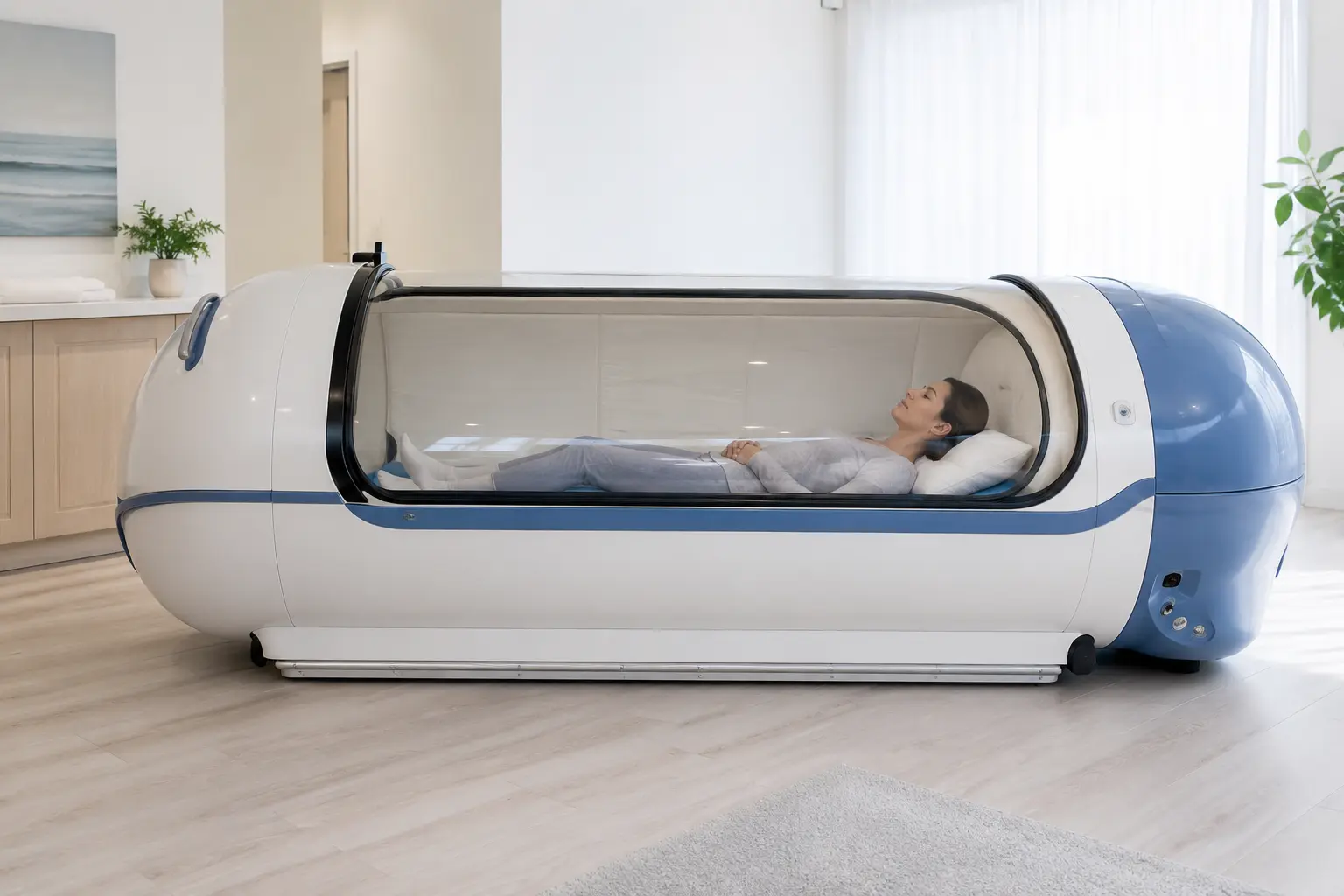
In brief
HBOT can increase the amount of oxygen carried in blood plasma by combining raised atmospheric pressure with high concentration oxygen. It is an established treatment for selected medical conditions, but a mild commercial chamber is not automatically equivalent to a hospital protocol and broad wellness benefits are not guaranteed.
This guide is for: Readers separating established medical uses of hyperbaric oxygen therapy from broader recovery, performance and longevity claims.
Established uses and broader recovery claims
HBOT can increase oxygen availability under pressure and has recognised roles in selected medical conditions. Athletes and wellness clients sometimes pursue it in the hope of supporting recovery, but evidence for routine sports recovery and longevity is much less certain.
- Strong evidence for a medical indication does not prove the same benefit for a healthy person
- Pressure, oxygen concentration, session number and clinical supervision all matter
- A provider should explain what outcome is realistic for the exact chamber and protocol offered
How hyperbaric oxygen therapy works
Inside a chamber, increased pressure allows more oxygen to dissolve into blood plasma when high concentration oxygen is breathed. This can deliver oxygen beyond what haemoglobin alone carries. The biological effect depends on the working pressure, oxygen concentration, delivery method, session length and reason for treatment, not simply the chamber's appearance.
Medical HBOT and mild wellness chambers
Hospital and specialist services use prescribed protocols for recognised indications such as decompression sickness, carbon monoxide poisoning, selected difficult wounds and radiation tissue injury. Commercial soft or mild chambers commonly operate at lower pressures and may be pressurised with air while oxygen is delivered separately. Research from one format should not be assumed to prove benefits for another.
Recovery, performance and wellbeing
Healthy clients may pursue chamber sessions hoping to support exercise recovery, energy, cognition, inflammation or longevity. Those are plausible areas of research, but evidence is less established than it is for recognised medical indications. A responsible provider should explain which evidence matches its exact chamber and protocol.
What people are trying to achieve
Established medical treatment
HBOT has accepted clinical roles when the condition, pressure, oxygen dose and course are medically prescribed.
Higher dissolved oxygen can support specific healing processes in appropriate clinical circumstances.
Recovery and symptoms
Certain wounds and radiation injuries may benefit under specialist care; this does not mean every injury heals faster.
Athletic recovery research is developing, but routine benefit for healthy athletes has not been established.
Performance and wellbeing
Commercial claims are broader than current evidence, especially for healthy people without a diagnosed condition.
These remain research and marketing areas rather than established reasons to self prescribe HBOT.
Planning a Perth session
Before choosing a facility, connect the service to what you actually want from the visit. These practical checks make it easier to compare venues and arrive prepared.
- Clarify whether your goal is treatment of a diagnosed condition or a general wellness session
- For a medical condition, involve the clinician responsible for your care rather than self prescribing a commercial package
- Compare providers using chamber specification, screening, staff training and emergency procedures, not marketing claims alone
Prices, session formats and opening arrangements can change. Use the directory to compare options, then confirm the current details through the linked official business website.
What the evidence can tell us
HBOT is established for selected medical indications when delivered under appropriate clinical protocols. Evidence for broad wellness, athletic recovery, energy and longevity benefits is less certain, and results from hospital treatment at higher pressure cannot simply be transferred to every commercial chamber session.
Research and further reading
Mayo Clinic recognised uses and risks↗Johns Hopkins guide to HBOT uses↗FDA hyperbaric device safety advice↗Common questions
Is mild hyperbaric therapy the same as medical HBOT?
No. Chamber pressure, oxygen concentration, oxygen delivery, intended use and clinical supervision can differ substantially. Ask the provider for the working pressure in ATA and whether you breathe high concentration oxygen throughout the session.
Practical next step: Before paying, ask about chamber pressure, oxygen delivery, operator training, screening, supervision and the evidence for your specific reason for attending.
Can HBOT make an injury heal faster?
It can support healing for selected recognised conditions under an appropriate medical protocol. It has not been shown to make every sports injury or ordinary tissue strain heal faster, and it should not replace diagnosis or rehabilitation.
Practical next step: Before paying, ask about chamber pressure, oxygen delivery, operator training, screening, supervision and the evidence for your specific reason for attending.
Is hyperbaric oxygen therapy safe?
It is generally well tolerated when properly prescribed and supervised, but risks include ear or sinus barotrauma, temporary vision changes, claustrophobia, oxygen toxicity and fire. Screening, approved equipment and strict item rules matter.
Practical next step: Before paying, ask about chamber pressure, oxygen delivery, operator training, screening, supervision and the evidence for your specific reason for attending.
What does a session feel like?
During pressurisation, the ears may feel similar to flying or diving. Staff should teach gentle equalisation and remain contactable. Once at pressure, clients usually rest, but session length and permitted activities vary by facility.
Practical next step: Before paying, ask about chamber pressure, oxygen delivery, operator training, screening, supervision and the evidence for your specific reason for attending.
How often should someone attend?
There is no universal wellness schedule. Medical treatment courses are prescribed for a specific indication and may involve many sessions. A commercial recommendation such as two or three visits weekly should be treated as a provider protocol, not a proven requirement for everyone.
Practical next step: For a first visit, use the venue’s beginner recommendation rather than its maximum allowance, and finish while you still feel well and coordinated.
What pressure should the chamber use?
Higher is not automatically better. Pressure is one part of a treatment protocol. Ask for the exact ATA, oxygen delivery method and evidence for your goal rather than choosing on pressure alone.
Practical next step: Before paying, ask about chamber pressure, oxygen delivery, operator training, screening, supervision and the evidence for your specific reason for attending.
What should I bring into the chamber?
Follow the facility's rules exactly. Phones, batteries, cosmetics, oils, synthetic fabrics and other items may be restricted because oxygen rich environments increase fire risk. Wear only the clothing the operator approves.
Practical next step: Check the venue confirmation before leaving home; clothing, towel, footwear and jewellery rules differ between facilities.
Who needs medical clearance?
Anyone with lung or ear problems, a current respiratory illness, seizure history, certain medicines, pregnancy or a health condition should disclose it during screening and seek appropriate clinical advice. An untreated collapsed lung is a major contraindication.
Practical next step: Before paying, ask about chamber pressure, oxygen delivery, operator training, screening, supervision and the evidence for your specific reason for attending.